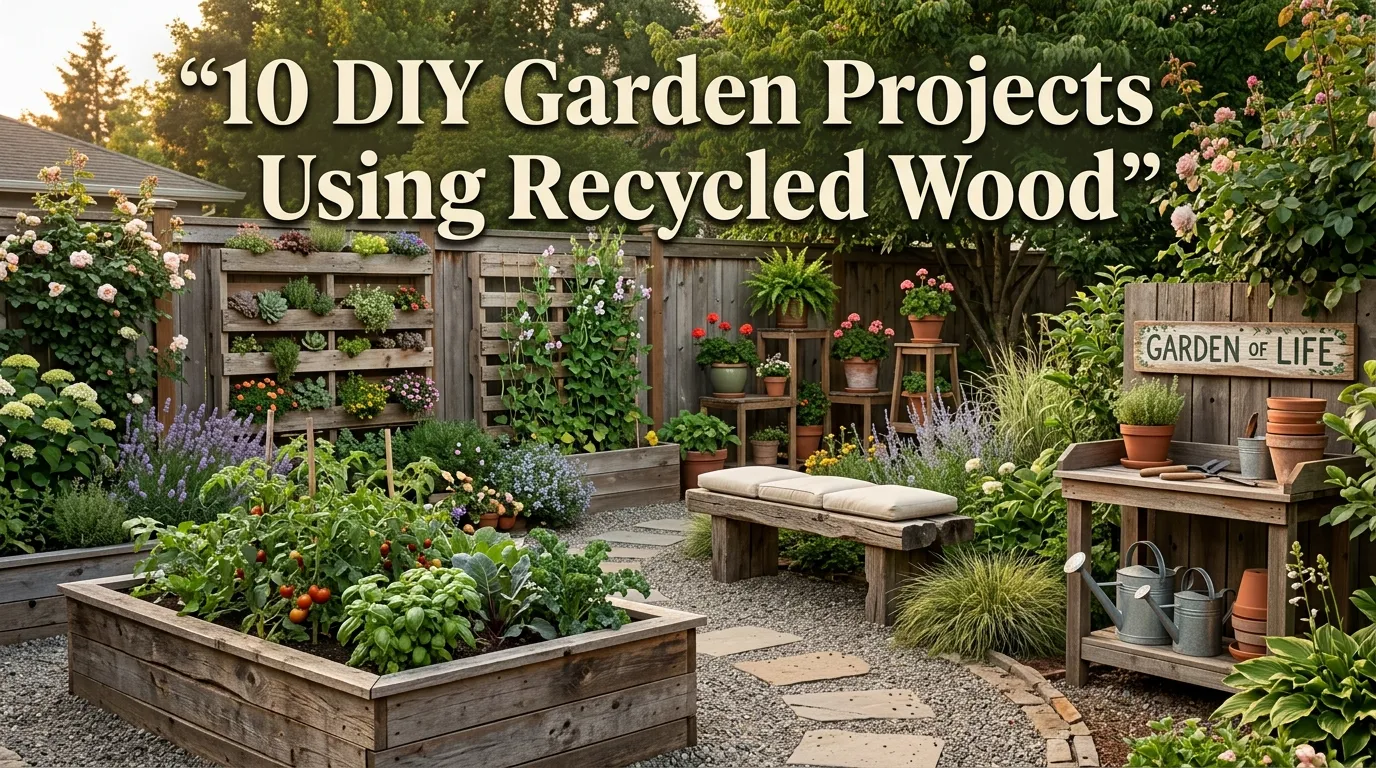
10 DIY Garden Projects Using Recycled Wood
Recycled wood can turn an ordinary backyard into a space that feels personal, practical, and beautifully collected.
You don’t need expensive landscaping materials to add character to a garden. Old boards, reclaimed fence pieces, leftover lumber, wooden pallets, and weathered planks can often become useful garden features with a little creativity.
The key is choosing wood that is suitable for outdoor use and making sure it is structurally sound. Avoid wood that is badly rotted, contaminated, or treated with chemicals that aren’t appropriate for your intended use.
In my experience, the most successful DIY garden projects are the ones that combine decoration with function. A simple wooden planter can add greenery while defining a patio corner. A raised garden bed can improve growing space while giving the yard a more finished appearance. Even a small vertical herb garden can turn an unused wall or fence into a useful feature.
Reclaimed wood also brings something new lumber often lacks: character.
Weathered surfaces, natural knots, slightly imperfect edges, and varied tones can make a garden feel warmer and more established.
Here are ten approachable ideas for turning suitable recycled wood into beautiful backyard features.
Table of Contents
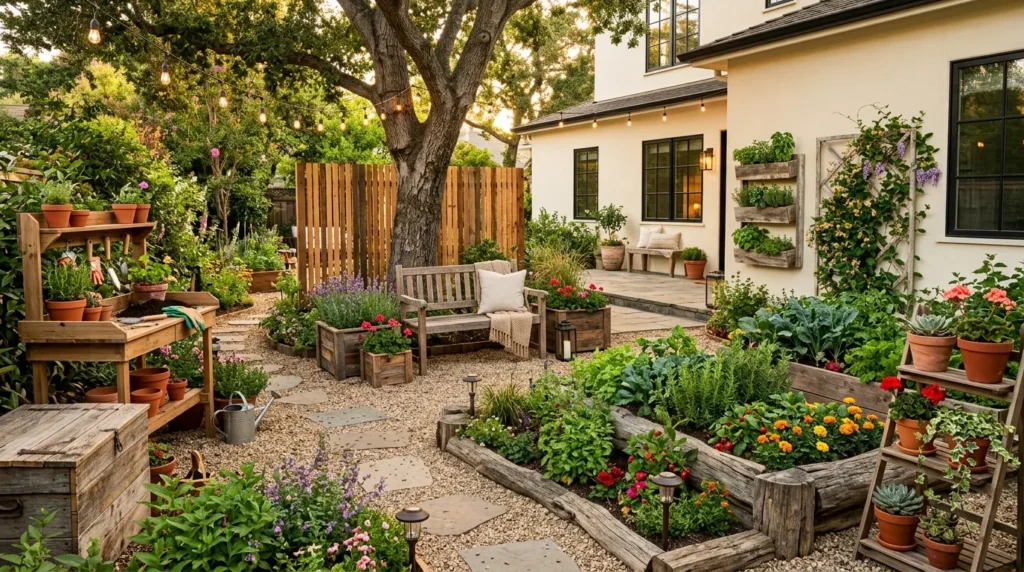
- Reclaimed Wood Planters
- Rustic Raised Beds
- Vertical Herb Gardens
- Wooden Garden Signs
- DIY Potting Bench
- Recycled Wood Trellis
- Garden Path Edging
- Outdoor Plant Shelves
- Wooden Compost Bin
- Rustic Garden Fence
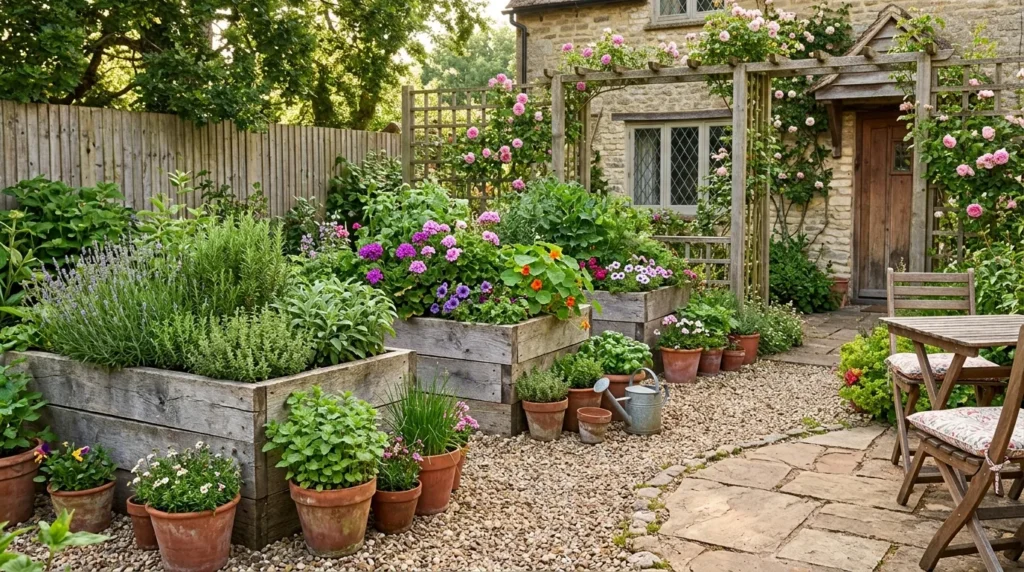
1. Reclaimed Wood Planters
Quick Benefits
- Gives old wood a new purpose
- Adds character to the garden
- Works in small spaces
- Can be customized
- Creates attractive plant displays
Why It Works
Planters are one of the easiest ways to use recycled boards.
Their relatively simple construction means you can create different sizes for herbs, flowers, vegetables, or decorative plants.
Weathered wood also pairs naturally with greenery, creating the relaxed look many people want in a backyard.
How To Style It
Build a simple rectangular planter from sound outdoor-suitable boards.
Sand rough edges so the finished piece is comfortable and safe to handle.
Add appropriate drainage and use a quality container liner when needed.
Place several planters together at slightly different heights for a more layered garden display.
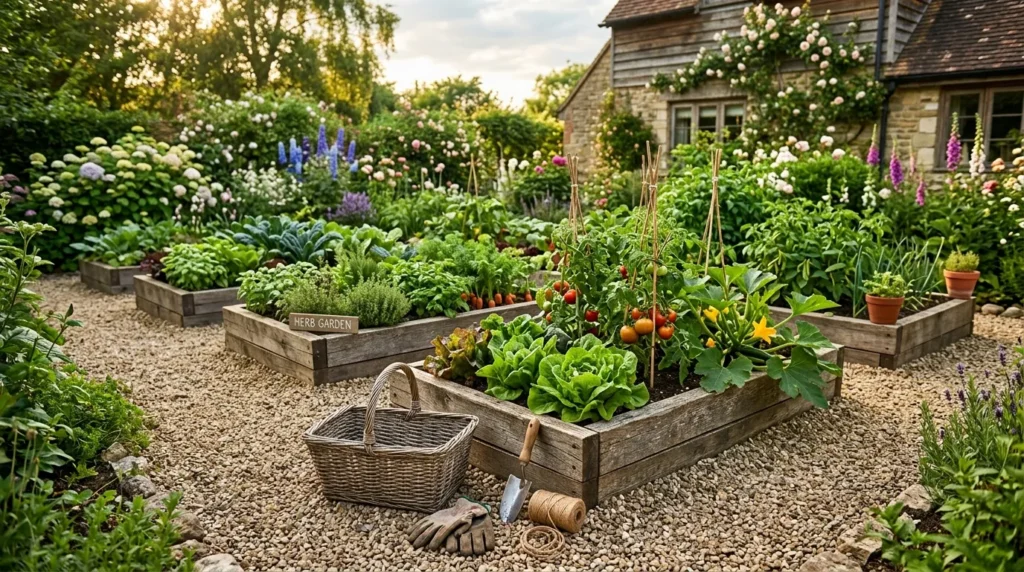
2. Rustic Raised Beds
Quick Benefits
- Defines growing areas
- Adds structure
- Makes planting easier
- Works well in larger yards
- Creates a neat garden layout
Why It Works
Raised beds create clear boundaries between planting areas and surrounding lawn or pathways.
Recycled wood can give those beds a relaxed farmhouse or cottage-garden character.
How To Style It
Use sturdy boards to create simple rectangular frames.
Position them on level ground.
Fill the beds with appropriate garden soil and compost.
Leave enough space between beds to comfortably walk, weed, and water.
For a polished look, repeat the same wood style throughout your vegetable or flower garden.
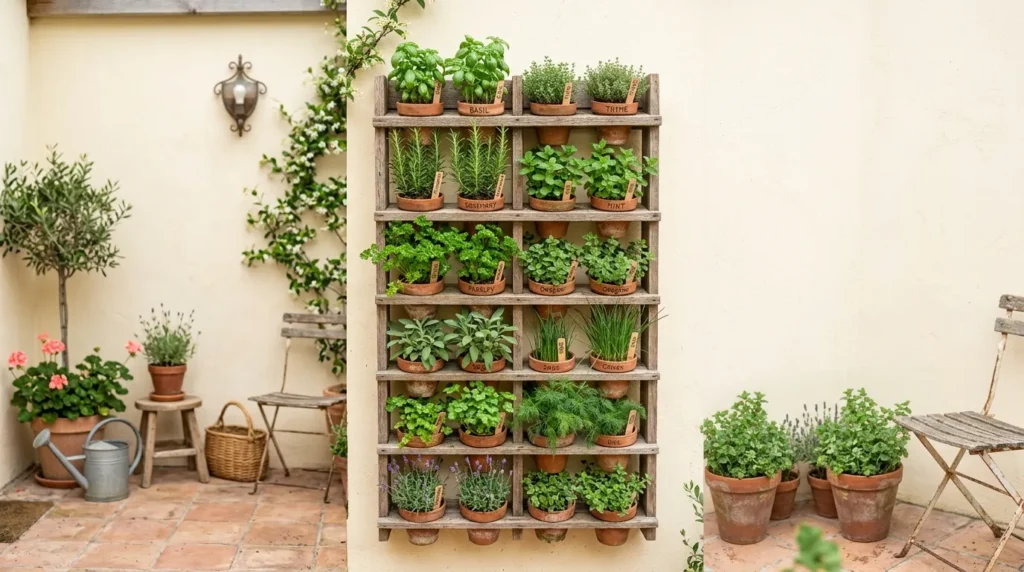
3. Vertical Herb Gardens
Quick Benefits
- Saves floor space
- Works on patios
- Keeps herbs accessible
- Adds vertical interest
- Reuses small wood pieces
Why It Works
Vertical gardening makes particularly good use of fences, walls, balconies, and small patios.
A few reclaimed boards can become a compact growing station without taking up much ground space.
How To Style It
Create a vertical wooden frame and attach suitable planting containers securely.
Label herbs with simple wooden tags.
Use the upper sections for plants that need more sunlight and position the garden where watering is convenient.
Keep the arrangement visually simple so the greenery remains the star.
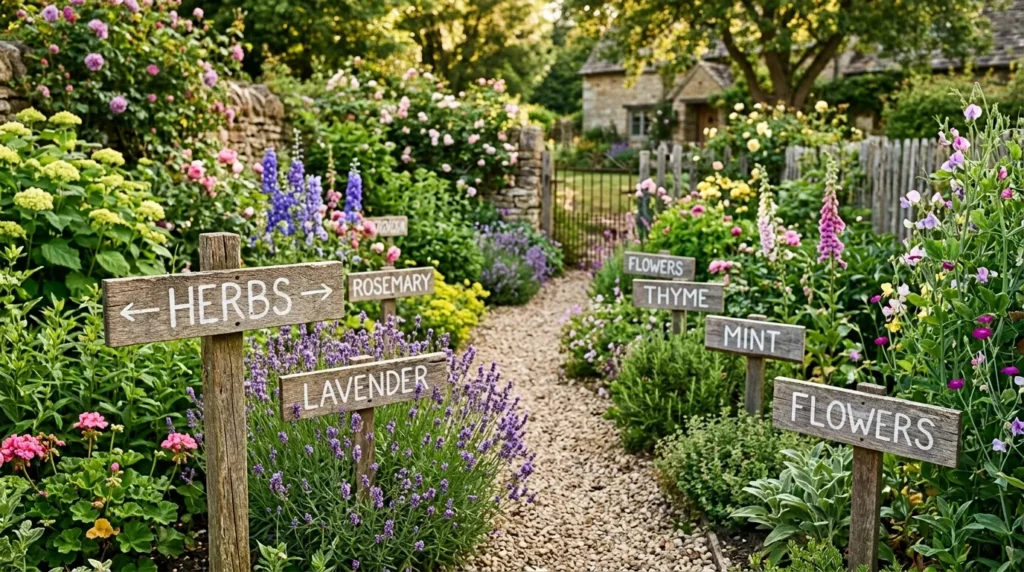
4. Wooden Garden Signs
Quick Benefits
- Adds personality
- Uses small scraps
- Easy weekend project
- Creates a customized look
- Works with many garden styles
Why It Works
Small pieces of reclaimed wood don’t need to become large structures.
A simple sign can turn leftover boards into charming garden decor.
How To Style It
Cut a suitable piece of wood into a simple sign shape.
Sand the surface.
Add a short word or phrase using outdoor-appropriate paint or lettering.
Try labels such as “Garden,” “Herbs,” or the names of individual plants.
Keep the design simple for a more sophisticated appearance.
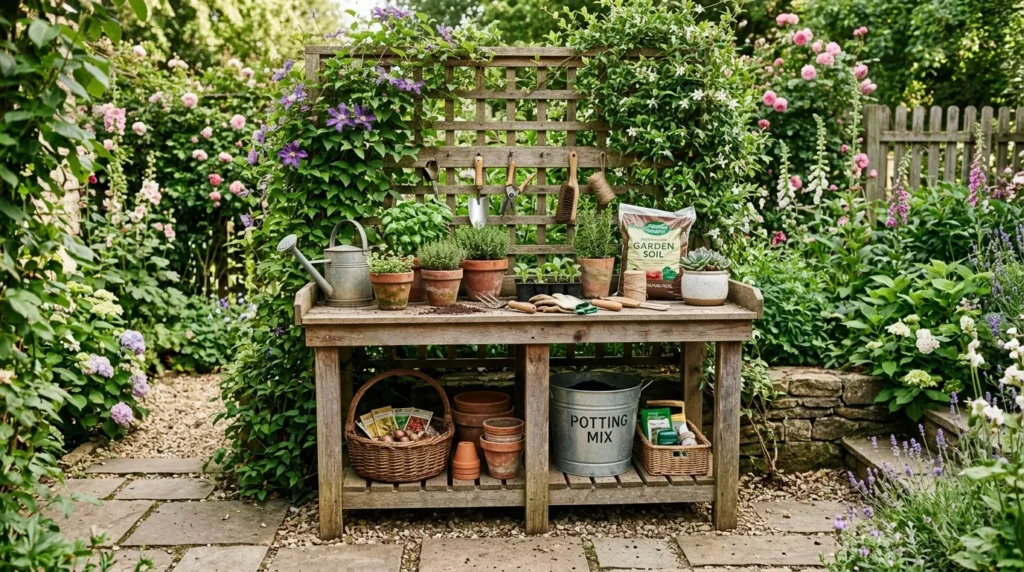
5. DIY Potting Bench
Quick Benefits
- Creates a gardening workstation
- Uses larger reclaimed boards
- Keeps tools organized
- Makes planting easier
- Adds functional character
Why It Works
A potting bench gives you a dedicated place to repot plants, store small tools, and prepare containers.
Using recycled wood can make the bench feel like an established part of the garden rather than a newly purchased outdoor accessory.
How To Style It
Build a sturdy work surface at a comfortable height.
Add a lower shelf for pots, soil, or baskets.
Use hooks for lightweight hand tools.
Position the bench near the garden but somewhere protected from excessive moisture when possible.
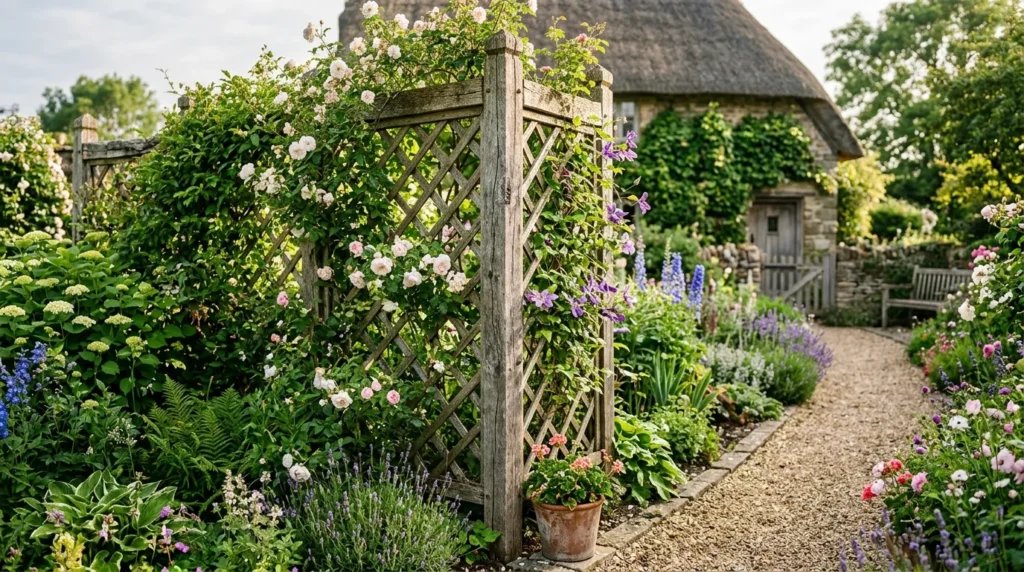
6. Recycled Wood Trellis
Quick Benefits
- Adds vertical interest
- Supports climbing plants
- Creates garden privacy
- Uses narrow boards
- Adds architectural structure
Why It Works
A trellis turns an otherwise flat garden wall or fence into a living feature.
Climbing plants can soften the structure over time while the wooden framework provides shape during every season.
How To Style It
Create a simple grid or ladder-style structure from suitable wood.
Secure it firmly to a wall or install it safely as a freestanding feature.
Use it for appropriate climbing flowers, vines, or edible plants.
Leave enough room for the mature plant to grow without becoming overcrowded.
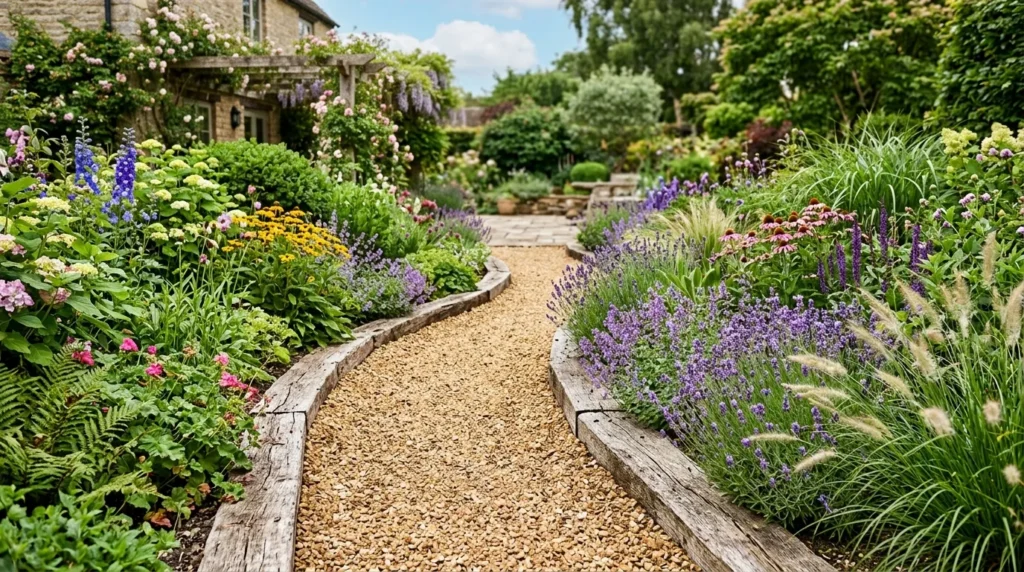
7. Garden Path Edging
Quick Benefits
- Defines pathways
- Creates a finished appearance
- Separates planting areas
- Adds rustic character
- Makes garden layouts clearer
Why It Works
Garden paths look more intentional when their boundaries are clearly defined.
Recycled wood can create a simple transition between gravel, mulch, planting beds, and lawn.
How To Style It
Use straight, sturdy pieces of suitable wood.
Position them along the edge of the pathway.
Make sure they are secured appropriately and don’t create a tripping hazard.
For a softer appearance, surround the edging with low-growing plants or ornamental grasses.
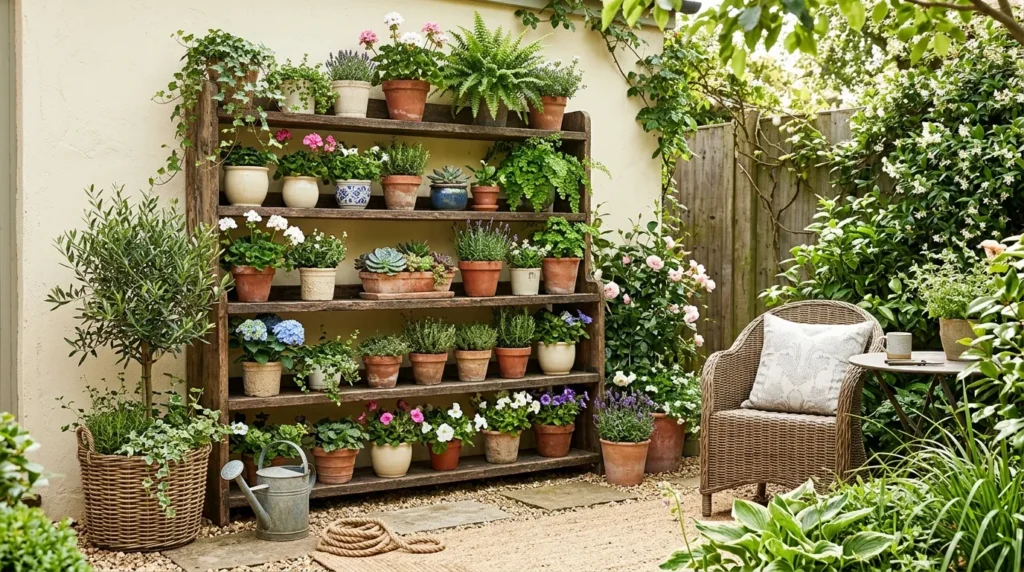
8. Outdoor Plant Shelves
Quick Benefits
- Adds vertical display space
- Works on patios
- Elevates smaller plants
- Uses leftover boards
- Creates layered greenery
Why It Works
Not every plant needs to sit on the ground.
Wooden shelves can create different heights, allowing smaller pots to become part of the overall garden composition.
How To Style It
Build a simple tiered shelf using weather-resistant materials appropriate for your climate.
Place larger plants on lower levels and smaller pots above.
Leave some empty space between containers.
This prevents the arrangement from looking crowded.
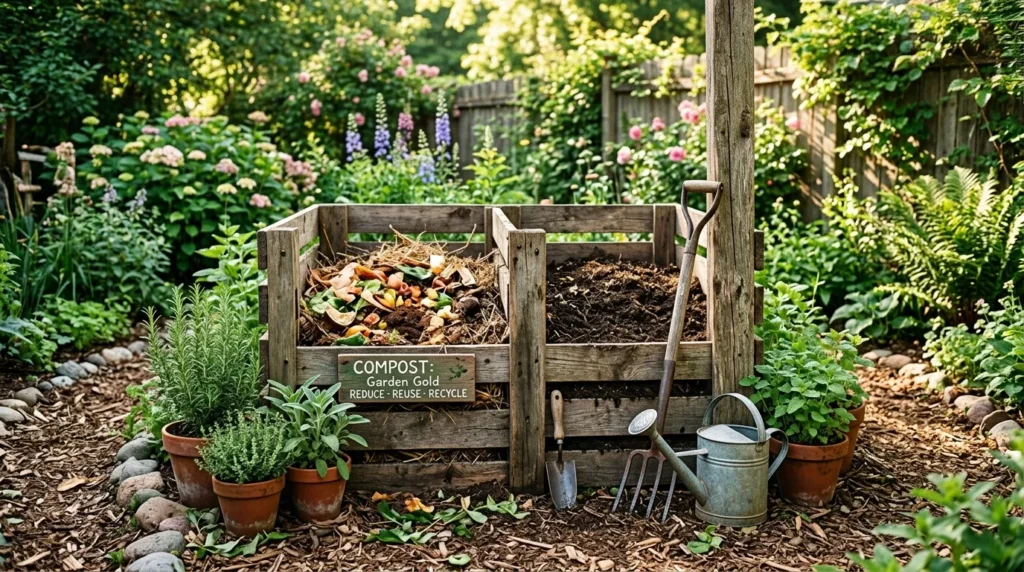
9. Wooden Compost Bin
Quick Benefits
- Supports garden sustainability
- Reuses larger boards
- Keeps compost contained
- Adds structure
- Reduces garden waste
Why It Works
A compost area doesn’t have to look unattractive.
A simple wooden enclosure can make the space feel intentional while keeping composting materials contained.
How To Style It
Build a ventilated three-sided or appropriately designed enclosure using suitable untreated or compost-safe wood.
Place it on a suitable area of the garden with appropriate drainage.
Make sure there is enough access for turning and removing finished compost.
Keep it slightly away from the main entertaining area if appearance is a priority.
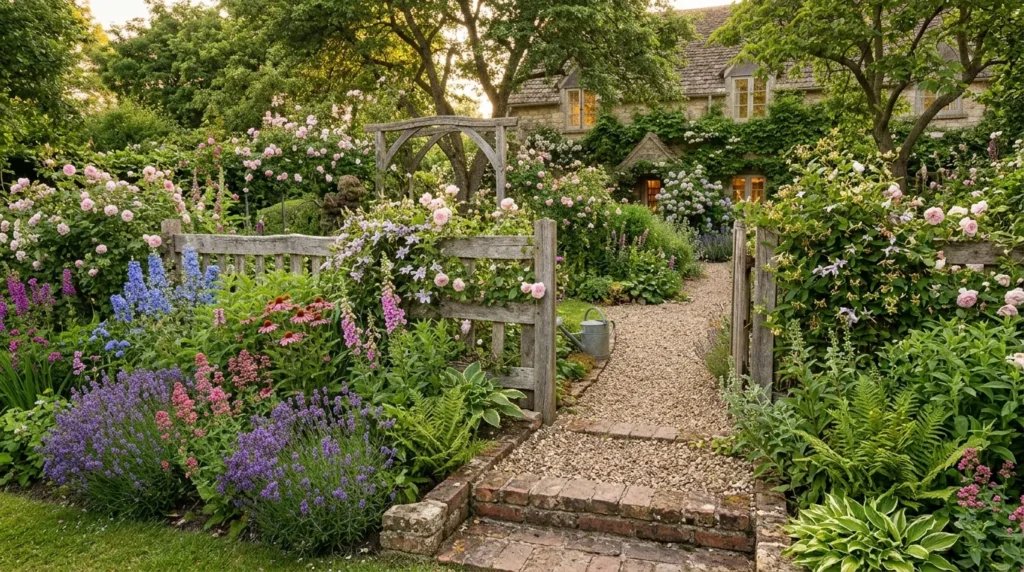
10. Rustic Garden Fence
Quick Benefits
- Defines garden areas
- Adds privacy
- Creates a backdrop
- Reuses longer boards
- Gives the yard character
Why It Works
A low wooden fence can visually separate a vegetable garden, flower bed, patio, or side-yard planting area.
Reclaimed boards naturally create a more relaxed appearance than perfectly uniform new lumber.
How To Style It
Use boards with relatively consistent thickness and adequate structural condition.
Install them securely.
Keep the height appropriate for the purpose.
Soften the finished fence with climbing plants, flowers, or grasses.
For a more polished look, use a restrained finish that complements the surrounding landscape.
How To Choose Recycled Wood for Garden Projects
Not every old piece of wood should automatically become a garden project.
Look for boards that are:
- Structurally sound
- Free from significant rot
- Free from mold or contamination
- Appropriate for the intended use
- Free from obvious chemical residue
- Suitable for outdoor conditions
Be particularly cautious with unknown reclaimed wood.
If you aren’t sure what a piece of old lumber has been exposed to, don’t use it for projects involving edible plants, children’s play areas, or surfaces that will have frequent skin contact.
How To Make Recycled Wood Look More Finished
Reclaimed wood already has plenty of character, so you don’t need to overdecorate it.
Start by removing loose dirt.
Sand sharp or splintered edges.
Clean the surface appropriately.
Allow it to dry thoroughly.
For projects exposed to weather, use an outdoor-appropriate finish when suitable for the specific wood and intended application.
The goal isn’t to make recycled wood look brand new.
Its imperfections are often what make the project beautiful.
Best Garden Styles for Recycled Wood
Cottage Garden
Combine weathered wood with flowers, herbs, and informal planting.
Farmhouse Garden
Pair reclaimed boards with galvanized containers and simple greenery.
Rustic Garden
Use natural wood tones, stone, gravel, and earthy plants.
Modern Rustic
Choose cleaner lines and combine weathered wood with contemporary planters.
Small Patio Garden
Use vertical planters, shelves, and compact herb gardens.
Common Mistakes
Using Unsafe Reclaimed Wood
Unknown wood can contain unwanted chemicals or contaminants.
Skipping Drainage
Planters need appropriate drainage to protect plant roots.
Overbuilding
Simple garden projects often look better when their design remains uncomplicated.
Ignoring Structural Strength
Outdoor projects must withstand weather, soil weight, plants, and everyday use.
Using Too Many Wood Styles
Mixing dramatically different finishes can make the garden feel visually chaotic.
FAQ
What can I make from recycled wood for my garden?
You can make planters, raised beds, herb gardens, garden signs, potting benches, trellises, pathway edging, plant shelves, compost enclosures, and small fences.
Is reclaimed wood safe for garden projects?
It depends on the wood’s history and condition. Avoid unknown, contaminated, chemically treated, badly rotted, or otherwise questionable wood, particularly around edible plants.
Can recycled wood be used for raised garden beds?
Suitable, structurally sound wood can be used for garden structures, but choose materials carefully, especially when growing food.
How do I protect recycled wood outdoors?
Clean and prepare the wood appropriately, then use an outdoor-suitable finish when appropriate for the project and material.
What is the easiest recycled wood garden project?
Simple garden signs, small planters, and basic plant shelves are generally approachable projects because they require fewer structural components.
Can I use pallet wood for garden projects?
Only if you can identify that the pallet is appropriate for your intended use and hasn’t been contaminated or treated in a way that makes it unsuitable. Unknown pallets should be avoided around edible plants.
How can I make recycled wood look modern?
Use simple straight lines, consistent dimensions, a restrained finish, and fewer decorative details. Pair the wood with clean planters, gravel, and structured greenery.
Conclusion
Recycled wood can bring warmth, texture, and personality to almost any backyard.
You don’t need complicated woodworking skills to create something useful.
Start with a simple planter.
Build a raised bed.
Try a vertical herb garden.
Or turn a few leftover boards into a trellis, garden sign, or plant shelf.
The most important step is choosing suitable wood and building each project securely.
Once the practical details are handled, let the natural character of the material do the decorating.
A few weathered boards surrounded by healthy greenery can create exactly the kind of relaxed, welcoming garden that feels collected over time rather than purchased all at once.